We’ve helped over 10,000 women improve their metabolic health to lose fat, gain muscle, and become their most confident with our STRONG System built for real women with busy lives.
Andrea brings over a decade of coaching experience and a deeply personal passion for health and fitness. She’s helped clients do everything from lose weight and clean up their nutrition to run marathons and, yes, even touch their toes. But for her, the most meaningful wins are the ones where someone finally feels confident in their own skin.
With a background in college softball, roller derby, figure competitions, and marathon running...including qualifying for the Boston Marathon... Andrea knows what it means to chase big goals. As a long-time vegetarian and holistic nutritionist, she’s also well-versed in how food choices fuel both performance and long-term health. She loves helping clients find doable, sustainable habits, especially when it comes to simplifying nutrition or fitting training into a busy, family-filled schedule.
Andrea’s coaching style is rooted in support, structure, and contagious positivity. She’s the coach who’ll cheer you on every step of the way...and also help you map out your schedule to make sure it actually happens. Whether you’re chasing a pull-up or learning to eat without guilt, she believes the best changes happen when you take it one win at a time.
Credentials: Certified Personal Trainer (CPT) Holistic Nutritionist Pilates Mat & Reformer Instructor
Dialog window
Allison
From a young age, Allison knew she was meant to teach and support others — a passion that led to 15 years in education before bringing her talent for coaching into the fitness space. Her mission? To help clients cut through the noise, build trust in their own bodies, and find confidence through sustainable change.
Having personally navigated struggles with body image, emotional eating, and binge cycles, Allison brings deep empathy and lived experience to her coaching. She loves helping women shift away from constant dieting, guiding them to lift heavier, eat more, and finally see the results they’ve been working for. With a background in behavior change and a strong foundation in pre/postnatal and menopause coaching, she supports clients through life’s transitions with strategy, structure, and encouragement.
Allison is known for her warm but honest approach — part cheerleader, part researcher. She’ll celebrate every win with you, but she’s not afraid to help align your actions with your goals when you need a little tough love. She believes that the best coaching isn’t just about results now...it’s about giving clients the tools and mindset to keep progressing for life.
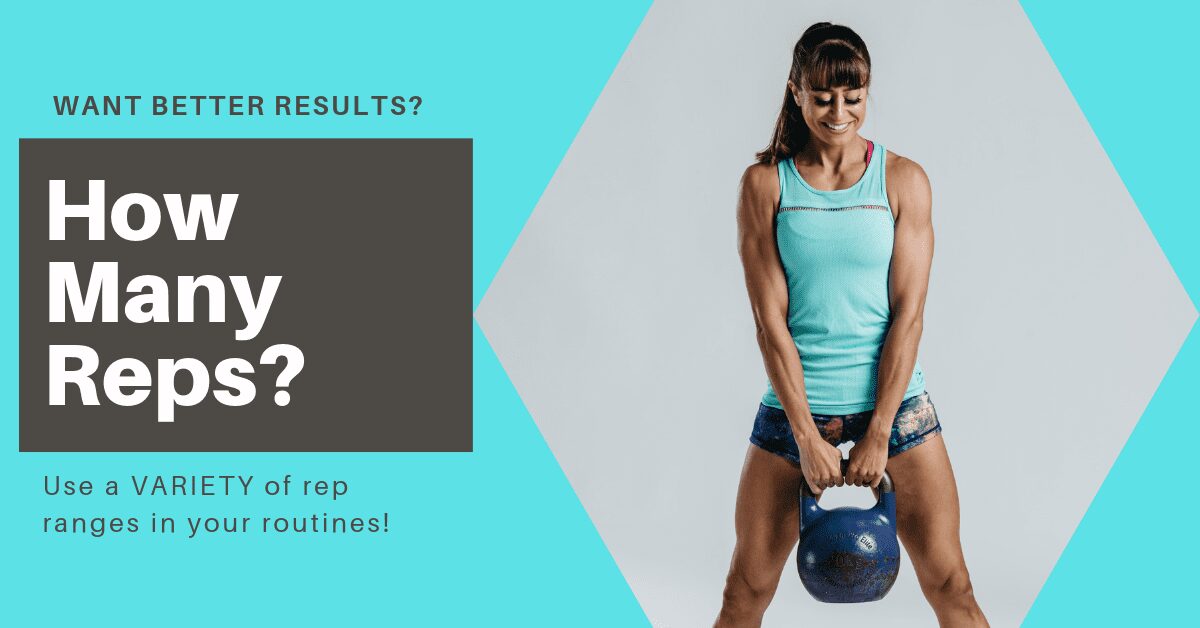
I often get asked “How many reps?” or even “What rep range is best?”
Should you do light weights and higher reps? Or heavier weights and lower reps?
The answer?
First off, a weight shouldn’t be “light.”
It may be lighter in comparison to what you’d use for fewer reps, but it should feel HEAVY for the reps you complete.
A weight should always be challenging based on the volume you’re performing!
Second, your GOALS will dictate what rep range (or ranges) is best to do the majority of your work in.
And third, if you want the best results possible, you should use a VARIETY of rep ranges.
Traditional rep ranges often are with 3 main goals…
1.If your goal is to gain strength, you will perform 1-5 reps.
2.If your goal is to gain muscle, you will perform 6-15 reps.
3.If your goal is strength endurance, you will perform 15-20 reps.
Based on this basic break down, if your goal was to gain muscle, you’d use the 6-15 rep range.
And yes, if you really want to focus on muscle hypertrophy, building muscle, a majority of your lifts and exercises should be done for 6-15 reps.
BUT guess what can also contribute to gaining muscle?
BUILDING STRENGTH!
So then why not ALSO use the maximal strength rep range for at least a couple of big lifts in your routine. Maybe that first lift on your leg day is a heavy back squat for 1-5 reps.
By using that strength building rep range AND the muscle gaining rep range, even in the same workout, you can enhance your results.
And your goals aren’t the only thing that dictate the rep ranges you use, even though we most often only see them listed this way.
Your current fitness level, the muscles being worked, the goal for the movement itself and even the TYPE of moves you’re using can all also influence the number of reps you perform.
How does your current fitness level impact the reps you select?
Well for instance, beginners, or anyone who’s taken an extended time off from working out, may not be ready for one rep max lifts when they first start working out.
Especially anyone who used to be an athlete, or workout intensely, may WANT to come back lifting heavy, but even if they technically can lift a weight, we have to remember their body, and especially their connective tissues, aren’t yet necessarily READY to lift it.
They’ve got to build up. And that means starting with lighter loads for higher reps. They need to build that strength endurance foundation.
They need to allow time for their connective tissues to even catch up to what their muscles may technically be able to lift.
And as you build that foundation, you may then even start integrating in one or two moves while working in those other rep ranges based on your goals!
While you may find you start even working more in one rep range, over time you’ll even want to consider what muscles are being worked by moves as you map out your rep ranges.
Bigger muscle groups can handle heavier loads so lower rep ranges for those lifts may be more appropriate.
HOWEVER, muscles, like the glutes, do well with not only heavier loads, but also higher volumes. So you may find you use BOTH that maximal strength building rep range and even the strength endurance range in the same glute workout.
Plus the goal of the move you’re including may dictate the number of reps that are appropriate.
Is this move meant to activate a muscle? Or is it mean to build strength?
If you want to activate your glutes, your priority should be on establishing that mind-body connection, which is done by using lighter loads for more reps.
Whereas a move that may create more muscle tissue damage and is meant to build strength, like the deadlift, may be done with heavier loads for fewer reps.
It is key you know your GOAL for the move itself.
Because each move you include, and the reps you use with it, all should move you closer to your ultimate goal.
Moves and reps shouldn’t just be programmed in to make things “hard.”
More reps is not always better!
You may also find that you use a variety of rep ranges in your workouts based on the type of move you’re including.
If you’re performing a compound move, you may be able to handle heavier loads, which means you may use lower reps.
However, isolation exercises, really meant to focus on one muscle and often a SMALLER muscle, may require lighter loads and higher reps. You generally aren’t going to go for a one rep max lift on a bicep curl!
So as you consider what reps to include, think about how everything in your programming relates back to your ultimate goal.
Think about not only what you hope to accomplish with the overall workout, but even what you hope to accomplish with the individual moves!
You’ll find often that when you consider those things using a variety of rep ranges in a single workout leads to the best results possible!
TRAINERS!
Ready to learn more about designing workouts that really work with over 50 done for you workout templates?
Want to learn how to modify moves to work around injury, assess your clients to create a proper prehab plan and even talk to your clients about nutrition?
Then you’ll want to join my Strong Smart Certification and Mastermind!