Dr. Betsy Grunch (00:00):
Your spine is not a ticking time bomb and aging doesn't mean that you're falling apart and pain doesn't always signal injury.
Cori Lefkowith (00:06):
So often we are resisting that definition of strong as being vulnerable.
Dr. Betsy Grunch (00:11):
You can do everything right, but still not control the outcome. Do not ever write yourself off. Meet yourself where you're at. Your body is adaptable at any single age, so you can make changes in your 40s. You can make changes in your 50s and 60s that'll help you. You can build strength, muscle, and resilience up until you're like 70s and 80s.
Cori Lefkowith (00:32):
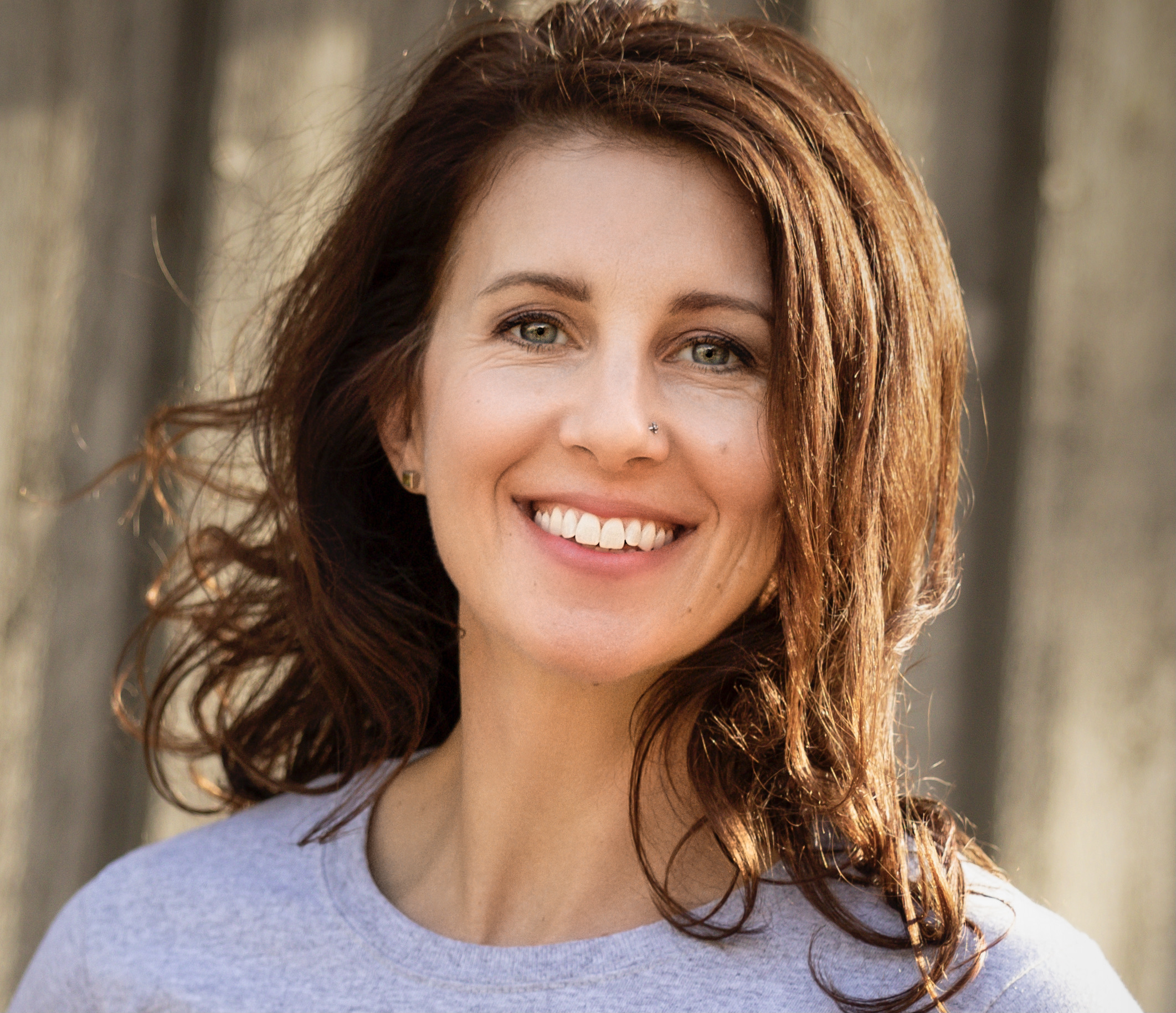
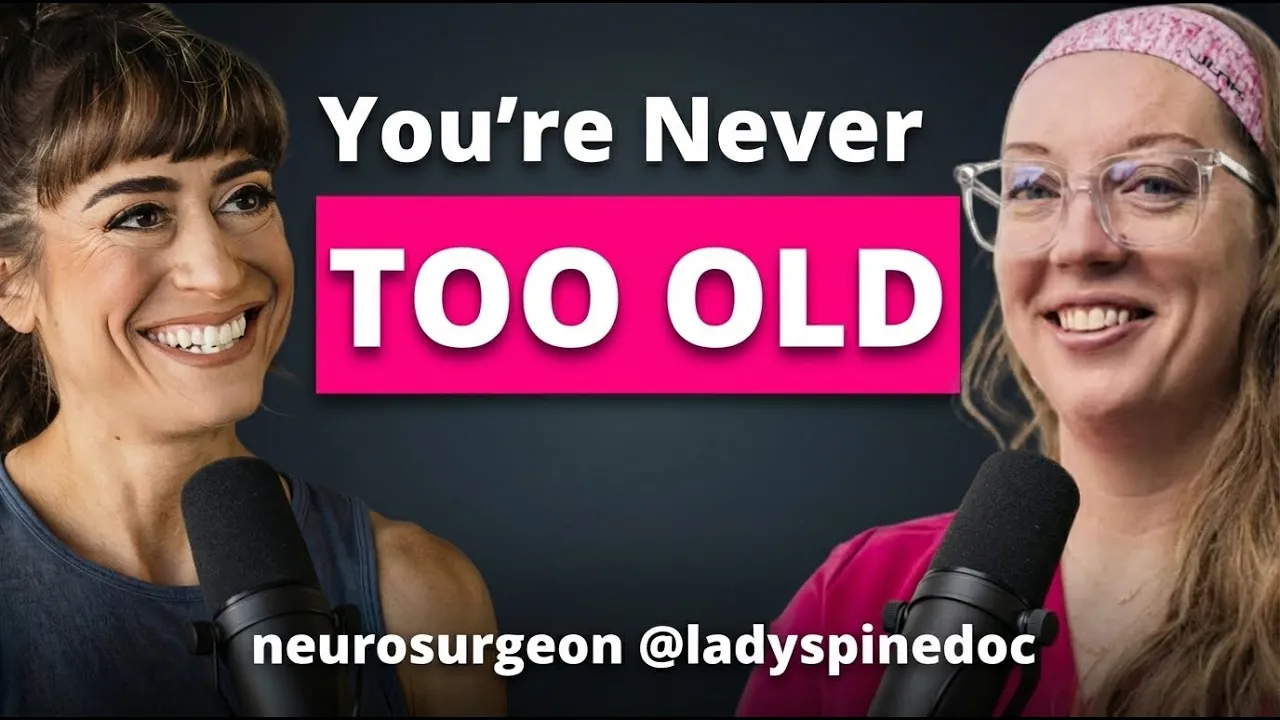
On this episode of the Redefining Strength podcast, I'm joined by Dr. Betsy Grunch, also known as ladyspinedoc on social media, a board certified neurosurgeon, spine specialist, and one of the most refreshing, relatable voices in medicine today. Dr. Grunch has spent more than a decade performing life-changing spine surgeries, helping patients rebuild mobility, regain confidence, and find strength again after some of the hardest moments of their lives. And at the same time, she's a mom, an entrepreneur, a content creator, and someone who's been very open about her own health and weight loss journey. What I love about Dr. Grunch is that she refuses the old definition of strong. The ones so many of us grew up with, push through everything, don't ask for help, don't slow down, don't bend. Her definition now is something softer, wiser, and far more powerful. We cover this and why strong doesn't mean unbreakable.
(01:27):
It means flexible, capable, and honest. We also cover how women can stop waiting for permission to take care of themselves, the biggest miss around pain, injury, aging, and lifting weights, and what actually keeps your spine healthy for life. So let's dive in. I loved one of your quotes that was strength is knowing your limits and honoring them. And so off of that, I really want to ask you, how do you define strong and even how has that definition changed?
Dr. Betsy Grunch (01:56):
So that's a great question because when I was younger, I had this very rigid idea of what strength meant, like pushing through everything no matter what, no rest, no breaks, don't ask for help, grit, perfectionism. And then strong is not showing any type of weakness, which I think a lot of us think strong is. But as I've kind of matured in life and through medical school, through being a mom, loss, leadership, you kind of realize how incomplete the definition, that type of definition is. And now strength is more to me like flexibility. So the ability to end without breaking and knowing when to stop, when to breathe, when to delegate and when to say, okay, I need help. So I think strength is a little softer to me. It's a little wiser. It's more honest really in showing up for yourself even when you're scared and choosing joy when life feels really heavy or allowing yourself to evolve.
(03:08):
And instead of staying in this stuck version of yourself where you're trying to be strong where you're actually pretty miserable.
Cori Lefkowith (03:16):
It's an interesting thing because I would say I've had some of the same evolution in my definition of strength in that it used to be like I had to grid it through on my own. And the more you go through life and you accomplish things and have to take different paths and own different struggles, the more you see that it really is, as you said, that flexibility, it's like that bamboo. It's really strong because it can bend without breaking. And it's even being willing to be vulnerable and ask for help, which I think for many of us, it goes against everything we thought was being strong.
Dr. Betsy Grunch (03:50):
That's right. That's right. Yeah. It's strong has so many different definitions and how you perceive what it means. And I think the more you mature and develop and understand that being strong is not kind of the cartoonish version of being strong.
Cori Lefkowith (04:09):
And you have such a unique perspective on it, not only because you've gone through your own weight loss journey, but you're a woman in a male dominated field and you even help people have to recover their strong, so to speak, and hopefully even be a little more proactive with it, being a surgeon and helping with back pain, improving mobility, all of that stuff. How do you see it sort of play out in different areas and how do you help people navigate all the different strongs they have to be? I know that's a very complex question, but ...
Dr. Betsy Grunch (04:39):
Yeah. I mean, I think just embracing and lifting people up is really important and just kind of teaching them that it's okay to pivot whenever life hits you with something. We take care of a lot of people in some of the worst moments of their life and it can really almost get to the point of breaking people. And so you have to kind of pull out their inner strong and find what that means for them and really target and help them recognize that and grow from that.
Cori Lefkowith (05:16):
Pivot is a word I want to highlight in what you said because I think that's really something that's a key perspective shift. And we so often think we're starting over, right? But we don't ever get to start over because everything that happened prior happened. How do you help them shift that mindset to they're not starting over, but they are just pivoting and then embrace where they're at as they recover?
Dr. Betsy Grunch (05:41):
So I think it is so important to know to give yourself permission to do that. And so I think we're often conditioned, especially women, we're conditioned to wait for permission, so to choose when it's okay to do that. But strength doesn't require permission, you have to own it. So I think that's really important for people to realize. Women
Cori Lefkowith (06:08):
Especially can, I think, struggle with asking for help when they really need, and that can keep us from being proactive in our own health. You've said that empowered patients make better outcomes. How do you help someone more proactively seek out the help they need when so often we are resisting that definition of strong as being vulnerable?
Dr. Betsy Grunch (06:31):
Yeah. Empowered patients are really ... That's one of my main goals on social media is to really empower people and empower patients because especially in healthcare, I feel like we are often so vulnerable if you're not in medicine and you don't understand some of the things that we bring to people in sometimes the very vulnerable part of their life. So empowering people to learn about their bodies helps them be more confident, but it's also allows them to be safer, healthier, and stronger during their recoverment. So I think it starts ... Empowering people really starts in two places. It's education and advocacy. So you need to know your body, you need to know what's going on with it, what are your lab results, what are your imaging results, and to know that you can't just ... Allowing them to learn more about what's going on with them can allow them to understand things in a level to make them be a better advocate for themself.
(07:43):
And advocacy meanings is to ask questions without the risk of the feeling of being shamed. So if you don't understand, ask a question or if something feels kind of off between you and your provider, speak up or go seek another opinion. I tell my patients all the time, you are your own CEO of your body and we are just part of your team to help advise you on recommendations, but you're the one that's making those decisions. And so that shift to empower them is incredibly important.
Cori Lefkowith (08:25):
I always tell clients, if you don't ask the question, you'll never know the answer. And the only dumb question is the one you don't know the answer to, so ask. And I think that push to really empower people to investigate their needs and then synthesize the information into determining the best outcome for them is so key because one size doesn't fit all. And out of this, I think it also comes back to being more proactive in our health versus reactive to things. How do you help people become a little bit more proactive? Because I know so often you are slightly seeing them in a reactive state.
Dr. Betsy Grunch (09:02):
Shifting that proactive to being more reactive is applicable in healthcare, but it's kind of just applicable in life. But particularly in health, we always treat it like, oh, it's an emergency situation, and that's when we react. And by the time illness strikes, you're kind of already behind. So being proactive means, what can I do to give myself an advantage to prevent these types of things? So like lifting weights before you lose muscle or helping people manage their stress before burnout hits or kind of sleeping when they're tired instead of letting yourself become really foggy. And especially older patients building their mobility before they lose it and their joints get stiff or their back is already injured or damaged. And so shaping your future shelf is what you do on those uneventful days. So not like the crazy ones when you're trying to be reactive when you find out the diagnosis or news.
(10:10):
So proactive health is so important to compound that interest in your body. So small deposits into your account, so to speak, consistently create this massive stability long-term. So the earlier you start making those deposits in your own health, the better return on your health in the long run.
Cori Lefkowith (10:30):
But at any time we can start making deposits, and that's really the key, is that we start at some point when we recognize we need to. But I think there's sometimes a little fear starting out. How do you help people navigate that fear, especially when they're like, "Well, I don't want to end up in surgery for something. So do I do this move? Is it not recommended because I'm at a certain age?" How do you help people navigate that? Because I know you do really push that proactive approach.
Dr. Betsy Grunch (10:57):
Yeah. So I would say anytime you can make these kind of shifts and depending on what you're scared of or what that fear is, we need to attack it or try to understand why you have that fear and how we can overcome that fear. Or like I said, pivot into something else to help you get to that goal based on whatever you're trying to accomplish. So that's just really important to recognize fear and why you have that and how you can kind of decide how you can get over that fear.
Cori Lefkowith (11:37):
I feel so often the fears are also based on misconceptions and myths, things we think we shouldn't be doing because of X age, because of previous injuries, whatever else. What are some of the biggest miss and misconceptions you see being passed around, whether on social media or just in general around the mainstream media?
Dr. Betsy Grunch (11:58):
Yeah. I mean, I think some of, especially with women, there are so many misconceptions that lifting weights is going to make you bulky or make you unattractive. And I wish I could speak from the rooftops that strength training is so important for our health, for our muscle mass to get ourselves at a point to where we can strengthen our muscles to help our spines, to help our bodies, and particularly for bone density, because oftentimes I think women are so intimidated to go to the gym because you always see the guys on the weight bench and it's like you're in a place where the fitness industry has ingrained upon us that girls do cardio and boys lift weights. And that type of intimidation when you walk in to the gym and not knowing what to do, I talk about this all the time, you need to have a plan so you don't have that intimidation factor and you can really work on your health and lifting weights because it's good for your muscles, it's good for support for your joints, for your back, particularly in preventing back injuries.
(13:16):
And most importantly, long-term for your bone density. Because I see women that come into my practice and for whatever issues in their 60s and 70s, and they have osteoporosis and they've never even known, no one's even talked to them about their bones or what they can do to improve their bones. And by the time they have that, it's too late. So if there is a surgery they need, it might be a little risky because of that bone density or maybe they have a fracture and it makes them more at risk for another fracture. So that is my biggest thing.
Cori Lefkowith (13:52):
Lifting truly is so key and it's key to building that lean muscle, which pays off in so many different health benefits, but it's also highlighting what you just mentioned is highlighting how important it is to start as soon as you can and keep doing what made you better, so to speak, because I think so often we think we should stop pushing with intensity as we get older, but that's really not the case because that's what we need to stay strong and prevent future injury. And then off of that, when we do get injured, because injuries can happen despite our best intentions, despite training really hard, despite doing all the right things, how do you help someone rebuild after injury? Because I think there is that fear after injury of re-injuring themselves or even the struggle to not push too hard to try and build back too fast because they just want to grit through it and then push through the pain.
(14:42):
How do you help people rebuild and embrace that mindset?
Dr. Betsy Grunch (14:45):
I'm culprit of the same thing too. So if I have some type of injury with this one particular thing, I injured my back whenever I was squatting. And so every time, this was years ago, so every time I even squat, it just goes through my mind like, "Oh my God." And it's something that whenever you do suffer injury, it's almost ingrained upon you to that fear of going backwards, of reverting back to where you were. And so overcoming that mentally is key, knowing why that happened, prevention strategies to prevent it from happening again. And to know that, like you said, injury happens. I mean, we're not always perfect. Our bodies are going to get injured. That's a natural part of life and how we kind of recover from that, how we build ourself back up, how we get back up on that movement and just improve upon that is so important both physically and mentally.
Cori Lefkowith (15:49):
Because avoidance really isn't the answer and movement really is medicine. How did you help yourself embrace squatting and just keep at it even though you did have that little bit of fear?
Dr. Betsy Grunch (16:03):
Like you said, movement is medicine, muscle is medicine. And so knowing that what I'm doing is for a bigger long-term benefit is really important because if you kind of avoid something because you get injured, you're going to get weak around that. If we're talking about one particular exercise or one particular movement, for example, squatting, if you avoid it and you allow yourself to get weak in that one area of training in your body, it's a vicious cycle. You're going to atrophy, get weaker in that muscle group and then become more prone to injury if you do something in which utilizes that area of your body. So your strength is engaged in your overall body strength. And if you have one point of weakness, that's going to be your part where you're going to be more prone to vulnerability.
Cori Lefkowith (17:00):
And I almost feel like sometimes if you're training so much of the other stuff around it and then you have that one point of weakness, it puts you at greater risk because there is such a weak link in the chain and when everything else is so strong and pulling at a certain level and something can't keep up, that's a big part of the problem.
Dr. Betsy Grunch (17:17):
Yeah. You're only as strong as your weakest link for sure. So we have to focus on everything and improving all your weaknesses.
Cori Lefkowith (17:27):
And with you having had your own injuries, gone through your own weight loss journey, are there any 1% changes that you found that were really helpful in making or building that momentum to see better results, move better, feel better in your everyday life that you recommend for other people?
Dr. Betsy Grunch (17:43):
The 1% changes I think that's made the biggest impact on me is learning to protect my energy as I protect my time. So stop saying yes because you feel guilty for something or stop letting everyone's expectations kind of dictate your capacity and what you do or overfunctioning because you've got to get X, Y, and Z done and then compromise your mental sanity. So that 1% for me is like protecting my emotional, physical and mental bandwidth, knowing that I only have X amount of this in my cup and knowing how to protect that so I can show up as a good surgeon, as a good mom, as a good leader, as a good person, because that is where making me stronger is because it's making me more present.
Cori Lefkowith (18:44):
Setting those boundaries is probably one of the hardest things to do, especially for a lot of women who do feel like that they're supportive of everybody else in their life. And you've had to really navigate that balancing a lot of different things. How did you go about learning to set those boundaries better and how do you stay firm in them? Because I think that is really a challenge for many of us.
Dr. Betsy Grunch (19:06):
For me, setting those boundaries is difficult because you don't want to disappoint anyone. You don't want someone to feel like you're not able to do something or feel weak, but protecting those boundaries is incredibly important because you only have so much within your ability to accomplish. And what you set forward in your life is a reflection on you. So you want it to be your best. And just knowing when to say no or things that you ... If you have a priority list of things that you need to do, choosing what's important to you and what's going to make the biggest difference for you, either short-term or long-term is really, really important. And the sooner that you learn that ability to set those boundaries, I think the better off you'll be just because ... For me, for example, with work, there are things that I really enjoy and things that I really just don't enjoy.
(20:09):
And so knowing those things that really you don't enjoy and setting those boundaries around that and you kind of embrace yourself and the things that make you happy is going to make you much better off.
Cori Lefkowith (20:21):
Owning our priorities is definitely key because if we value something, we want to make sure we make time for it. But I love that you highlighted even owning what you don't like in certain things to set boundaries around those because so often I don't think we really assess what fills my cup and what doesn't, and how can I do more of the things that fill my cup and less of the things that don't. Because often even the things that other people are putting on us and then we feel guilty for not doing them, we should be struggling to do things even or helping out more because we're being asked. So it's definitely an interesting thing of thinking about those two things in separation to really own what we want out of life to move forward. But how do you navigate potentially the guilt when someone is asking you to do something and something especially you don't want to do?
Dr. Betsy Grunch (21:10):
I mean, there are things that are non-negotiable, like things that you have to maybe don't enjoy doing. As a physician, I absolutely hate writing notes and documenting, but I can't not do that, but I can find strategies and things to make that really, really intolerable task a little easier. So I've found things that help me make that thing I hate more tolerable. So I use AI software to help me write my notes. So A, it makes it shorter for me, and B, it takes care of a lot of the things that are kind of redundant that can be done for me. And so I think that's important. But to answer your question about the guilt of those things, I think if you find ways to make those things a little bit more tolerable will help lessen the guilt that you feel. And I don't know, whatever that point is for you, just think about it really hard and focus on that.
(22:23):
And what can I do that will make me feel less guilty or make this task a little bit easier for me are great mindset shifts to help you really maybe enjoy it a little bit more because I don't know about you, but for me, every day that I wake up now and the more I kind of mature as a person, I find joy out of every single day and find really humor or happiness in little things because it makes me a better person and it makes me want to wake up and do it again.
Cori Lefkowith (23:04):
It is that pause to appreciate, but then also finding ways to make habits more enjoyable. Yes, knowing that there's some sacrifice with them, but I love that you're assessing how you're doing things and being like, okay, if I have to do this and I can't necessarily make it more enjoyable, how can I at least make it easier for myself and embrace the stink of it? And then on top of that, how can I make other things more fun? Because I do think there are ways to connect habits to more fun routines or put them in a way where we get to do something we like afterwards so that there is more joy overall and those moments feel more fleeting. I don't like doing laundry and especially not folding it, but if I fold it and watch a rerun of the office or whatever else, at least it's a little bit more fun and I'm doing something enjoyable.
(23:50):
So it is finding those ways to do habits almost in new ways over feeling like you have to do every routine in the same way it's always been done.
Dr. Betsy Grunch (23:59):
Correct. Yeah, I agree with that 100%. Even if it's like, okay, so let's say, oh, I hate doing lower body. Lower body is like my- Oh no. I love arms and shoulders, but I hate lower body. So every day I'm like, oh God, I have to do this. So in between sets, I'll reward myself with like, okay, I get to watch TikTok for one hour or I mean, not one hour, one minute in between reps or whatever the case is. Yeah.
Cori Lefkowith (24:33):
I love that. You're timing your rest and you're doing something fun. So you're making yourself take the rest that we often skip. You're making the workout more enjoyable. See, there's so many ways to just make habits and different things more fun. It's just finding the opportunity, I think so often when we just see obstacle, but that's like a hard mindset shift to have.
Dr. Betsy Grunch (24:52):
Yeah. Yeah, I agree. But once you make that mind change, and I think part of the mind shift has to be recognizing that it's a problem because I think in our own mindset, when we don't like something, we avoid it. So then that avoidance becomes acceptable, but you have to recognize that it's a problem and then take it head on and try to come up with reasonable and adaptable solutions that are going to work. So that's really, really important.
Cori Lefkowith (25:23):
It's pausing when you feel that avoidance instead of just avoiding to then step back and reflect, which I think the more we see avoidance as, okay, this is actually the issue I need to face head on, the better. But it's often hard to pause in the moment and do that reflection. It sounds like you've really worked though on doing that in your own life in so many different areas. How do you think you made that shift to taking more time to reflect on what you really wanted out of things, what you needed to do so that you could find more joy in your day?
Dr. Betsy Grunch (25:53):
I don't know. For being a healthcare professional and being a physician, we are just kind of ingrained in this, our training, this really toxic mindset, like it sucks and you're just going to have to deal with it and don't complain. And that's kind of how I've grown up, so to speak, is that like, yeah, it sucks, but that's too damn bad. This is what you want to do, just freaking do it. And so I came out of training like that and then just was kind of miserable because you're always doing things that you're quote hate to do or forced to do. And so I just, as time go on and I had the independence to make my own decisions to think for myself where I'm not just doing what my boss tells me to do, I thought about it. I'm like, "You know what? I can do this old school way of thinking that I've been trained to do, or I can figure out why this sucks and integrate it into something that doesn't suck." And whatever that it is is really important because I'm a really upbeat, energetic, empowering person and that type of environment really sucks it out even.
(27:15):
I think it's why a lot of physicians are the way they are is because the lifestyle of the training just really brings it out of you. So I just kind of took that mindset, changed things the way I do every single day to make it better over time, slowly, and has made me as a physician and as a person just kind of completely change the way I wake up every single day and approach life. And I think it's applicable to really everything in life and making those kind of slow changes that are sustainable to make you happier.
Cori Lefkowith (27:58):
I think you hit on what so many of us struggle with when trying to make healthy habit changes is that we see habits pushed in a program in one specific way and a lot of the habits we've even tried in the past and potentially failed at. And so we see them and we basically say, "Oh, this sucks, but I have to do it anyway." And it's like when you go in with that mindset of, "Well, this stinks and I have to do it anyway," you're not going to really embrace it. You're not going to want to do it. So while there has to be that balance of overselling the negative, knowing that there will be, yes, some struggles, some setbacks, some sacrifices at times, because we do have to do hard things to build our strength, if we go in too much in the frame of mind of this just stinks, but I have to grip my way through it, we're not actually going to embrace the changes and we oddly doom ourselves with doubt.
(28:47):
And I would say that even happens when people are recovering from injury or trying to get into a new routine in any area, is that the frame of mind we go in with either makes us see every obstacle or see every opportunity, and you've really made that shift, it sounds like.
Dr. Betsy Grunch (29:02):
Yeah. I mean, I think you hit on a point exactly. It's so human nature to think that if we want to make changes, that it has to be abrupt and tremendous to get results. And there is not anybody that is fit or that has a good diet or has a good lifestyle that just made the change overnight and it happened. So I think that is crash diets, for example, oh, we're going to do this 30-day plunge or whatever, and then we're going to lose 150 pounds in 30 days. And then you're trying to make large changes that aren't sustainable, and that's why they ultimately fail. And I think for me, during my whole journey, fitness journey and health journey was recognizing that that is just, that's not it. I mean, we've all done it We've all done these large dramatic changes and they do fail and that's why, because it's not sustainable and it's not you.
(30:07):
So we often compare ourselves to what we see in others too. Oh, well, that person did it and it worked for them. Or that person is lifting every single day for an hour at 5:30 AM, so I'm going to do that and that's me. But you have to really adapt into what fits in with your life and your lifestyle. So I work out late at night because it works best for me because after I put my kids to bed and then I can really focus on me, if I get up in the morning, I got too much going on with work, got to be done by a certain time so I can get out of the house by this, it's just too stressful for me. So I realize that just because everybody else wakes up in the morning and goes to the jam and left, that's not me.
(30:53):
It's not going to work for me. And so same thing as going to a location. For me, again, that's not going to work for me as well. So I've found really feasible options that I can do at home and that's slowly changed over time. And I think just people recognizing whatever it is that you're trying to accomplish within those slow, sustainable changes that are going to work for your schedule, for your lifestyle, and ultimately that you'll be able to keep up over time because those slow changes over time is really where the money is.
Cori Lefkowith (31:31):
It really is. Those systems need to align with our actual lifestyle and values and who and what we are because while there might be ideals we've seen out there, if we're not going to do them consistently, results are not going to build. And if you really think about it on social media, you see a bazillion different ideals and it can create overwhelm, but it's really opportunity and the options to show you that there's so many different ways to tailor things to match what we need. And with you working out at night and building that into your schedule, knowing who and what you are and what your lifestyle really allows so that you can be present for each moment and truly enjoy it and get the most out of it, is where the magic happens and where sustainable results are really built. Because I would even argue we might do a crash diet and see results and be like, "Well, this worked." And then two months later we're looking for the next thing because it didn't really work even though it yielded the quick results, which I guess what I'm asking you is how do you shift to that long-term viewpoint or trying to find something sustainable over going after the quick fix because it works in the moment?
Dr. Betsy Grunch (32:36):
Human nature is so ingrained on instant reward. And then if we're not getting progress, that it's not working. And progress, if you look at progress, it's not always starting here and ending up here. I mean, how you get from here to here has many different trajectories. It's not always linear. So kind of going up and then a plateau or maybe going back down and then coming back up. So how you get from point A to point B is different for every single person and every single goal that you have. So if it's weight loss, going through an initial diet change and then losing 20 pounds and then going through three months of zero weight loss, it can seem very disappointing because you're not getting the results that you did in month one, but then you can be consistent about it. And then in month four, all of a sudden you drop more.
(33:36):
And I think we are just so always focused on the goal that we don't understand that there's not always a linear point to get there. And it is just keeping your mind on that goal and being consistent and not letting yourself deter your path to get there is really important.
Cori Lefkowith (34:03):
And it's shifting our perspective on progress, it sounds like even a little bit too, because that plateau that we're seeing as no progress is us actually maintaining that weight loss for that much longer and body recomp could be happening. And as you said, stuff might be building under the surface, right? It's like that duck with the feet going underneath the water where they're working really hard, but it doesn't seem like anything's happening. And it's shifting that perspective on what we're deeming to really be success. Or how else did you find that you really helped yourself stay consistent through the ups and downs because progress is never linear?
Dr. Betsy Grunch (34:39):
Finding ways to see progress, even though it's not the particular focus. So for example, let's say we're looking at weight loss, we are looking at pounds on the scale isn't always a slow trajectory and slow gains. So there's ways of seeing, okay, well, how do my clothes fit last month to this month, even though the scale hasn't changed, it's fitting better. How do I feel like my mental health? Is this making me a stronger person and I'm getting a lot out of it from this other goal? Or we're in the times ... I mean, being in 2025 is so cool. I'm going to be honest with you. There are so many tools that we have to gauge our success. It's insane. So looking at your muscle mass, your sleep health, I have my aura ring now and I have others like smart scales and stuff that can tell you your lean body mass and so many different ways that you can analyze progress instead of that point that you're looking at, like that pound on the scale.
(35:45):
And that's the really cool thing is having so many tools to help us get there and all the things at our fingertips to make us visualize what we're doing along the way. It's pretty cool.
Cori Lefkowith (36:02):
It really is almost the more ways we give ourselves to measure success, the more ways we are successful. And I think even off of that, it's like if you're on a weight loss journey, you know you need to work out. So it's like if you can work out consistently, how else can you measure progress with your workouts other than just the weight loss? So even improving mobility or pain reduction, which I feel like with all of this, there are the ups and downs. And when we do hit one of those downs, are there any things you personally do or you help clients do in terms of overcoming the struggle when in the moment those emotions can hit us really hard?
Dr. Betsy Grunch (36:36):
Oh, man. I mean, I think every single one of us has had those moments or things that happen in their life that really shake you off that path of where you're trying to be. It's happened to me many times, whether it be the loss of someone special or a disappointing result or something that comes in from the outside that really kind of rattles you to know that, again, things are going to happen and you're not always perfect. There was a time a couple months ago, something really bad happened and I didn't work out for two weeks. And then I looked at myself and I'm like, God, I really fucked up. I'm disappointed in myself and how else am I going to get back on track? And so I think just realizing that all these ups and downs are going to naturally happen and kind of how you get back up, shake yourself off and get back to that plan that you had and those habits that you had.
(37:48):
And that's really, I think, crucial to realize that every single person goes through those and no one's perfect. And that's the beauty of humanity is that you're able to make decisions with your own mind to change that. And for me, that's one of the things that I do.
Cori Lefkowith (38:08):
We can always keep moving forward from where we are right now, meeting ourselves where we're at. Did you find that shifting your schedule to help yourself build back was helpful too? How did you start making those 1% improvements? Because I think that's the hardest part is not only mentally do we sort of beat ourselves up, but we physically have to start with different actions. So it's like we got to build that momentum back and taking that first step, that first action is often hardest. How did you help yourself do that?
Dr. Betsy Grunch (38:37):
Definitely by a lot of the things that we've already spoken about and setting boundaries is number one and managing your schedule is number two. So recognizing that you do have to carve time out for yourself is incredibly important. I'm a mom and I'm a physician, and so I always feel like taking time for me is taking time away from people I'm trying to help. And I think that shift in your mindset of like, no, actually taking time for you is probably the number one priority because you can only give if you're able to give, and that means yourself being happy and content. And so once I recognize that and dedicate time to my own sanity, to my own happiness, whether it's self-care, going to the spa, going to the gym, sitting down and having that mental break in the car when I come home that's just for me, is important to know that that's going to make you better giver or is to take and carve that time out.
(39:44):
So I started taking time out of my schedule, specifically that not only my daily schedule, but looking at my long-term schedule. Okay, so every other Friday I'm going to take off so I have time to catch up on my emails, have time to catch up on this content that I have to do or preparing something for my kids' school or whatever the case may be.
Cori Lefkowith (40:04):
It's that step back to reflect being like, "Okay, this happened. What do I need now?" And then finding the little ways that you can make things you really need a priority and recognizing that you should be one of your priorities.
Dr. Betsy Grunch (40:17):
Yes, absolutely. And it's the biggest priority, to be perfectly honest, because we only have a certain amount of energy to give and the more energy that we create for ourself by keeping our fire fueled is incredibly probably arguably the biggest indicator of success.
Cori Lefkowith (40:44):
I couldn't agree more. And now I want to throw the hardest questions at you with some not so rapid fire questions. And I say that because sometimes the answers are very interesting and I will pester you a little bit more about them. But the first one I wanted to ask you is, my day isn't complete without ...
Dr. Betsy Grunch (41:03):
Telling my kids that I love them.
Cori Lefkowith (41:05):
Aw, that's a very nice one. And then what's the biggest myth around strength, spinal health, or aging you wish people would stop believing?
Dr. Betsy Grunch (41:14):
Okay. The idea that pain means that something is damaged or that aging equals decline naturally because those things are like your spine is not a ticking time bomb and aging doesn't mean that you're falling apart and pain doesn't always signal injury. Sometimes it's just inflammation or stress or whatever, and that your body is adaptable at any single age. So you can make changes in your 40s. You can make changes in your 50s and 60s that'll help you. You can build strength, muscle, and resilience up until you're like 70s and 80s. So I think it's just we need to convince ourself of this that you're never too old to be strong.
Cori Lefkowith (41:56):
Do not ever write yourself off, meet yourself where you're at and find ways to move forward because you can build strength at any age. I love that. And I think it's so key. And I think too, I do want to hit on the pain a little bit more and pull a little bit more out of you on that one because I think so often we just think pain is like a stop sign. How do we know when it's a stop sign versus just a flashing yellow light that we can still go through, but we need to address some underlying things?
Dr. Betsy Grunch (42:21):
Pain can mean a number of things. Yes, pain can definitely mean a red flag, but it can also be that you're just weak in that particular area and that you need to focus on that. It can be inflammation, it can be stress or a number of things. So I think we often just think of pain as a bad thing. And not that it's not a bad thing, it's just a point where we need to stop and focus on why am I having that pain? What can I do to not have it? And whether or not you bring in partners of your team, so your doctors, your coaches, whoever that person is to help you understand that pain if you can't quite understand it yourself and how you can make changes because that's really key.
Cori Lefkowith (43:10):
It's seeing that pain as a point to pivot, using your word from earlier, because it's giving us a signal that there's something going on, but there's often so much more we can control in the management of it before it becomes something that just completely stops us.
Dr. Betsy Grunch (43:24):
That's correct. Absolutely. And also, I won't get all my soapbocks about it, but people often think that pain means something that a physician can fix or a surgeon can fix. I have a pain here. There must be something fixable to make it go away. And then that is your responsibility to do that. Pain can be so many different things. It can even be mental that's manifesting as physical pain. So recognizing what that is that's causing it is arguably the most important thing to figure out and make a solution for it.
Cori Lefkowith (44:05):
And it goes back to the whole empowerment conversation where you have to ask those questions to really dive into what you need so that you're addressing the true root cause of something versus even just masking the symptoms.
Dr. Betsy Grunch (44:16):
That's right. Exactly right.
Cori Lefkowith (44:18):
I told you these might not be so rapid fire at times because I'm going to dive in. But now, what's the hardest lesson you've learned?
Dr. Betsy Grunch (44:26):
That you can do everything right, but still not control the outcome. So I'm wired in my brain, I'm a surgeon, so I'm wired to fix things and that if I fix it and do everything right, that you're going to get a good result and that you have to understand that you're only in control of one element of whatever that is. And so letting go is really hard, but it's also very freeing. So it's allowed me to understand that I can be present and not perfect, but I can control ... You can control the controllable and then everything else is outside of your control. So I will use the famous words of Mel Robbins, let them. So you can control yourself and then everything else is outside of your control, so you just have to let that happen.
Cori Lefkowith (45:25):
It's like we're on the field. We've got to focus on playing. We can't just stare at the scoreboard because staring at the scoreboard won't change it. We can't shift the outcome in that way. But the only thing we can do is play our best and hope that that pays off in terms of winning because again, you can't control the other team even, right?
Dr. Betsy Grunch (45:41):
Exactly. Exactly.
Cori Lefkowith (45:44):
And then when you need to reset or recharge, what's your go- to ritual?
Dr. Betsy Grunch (45:48):
It is going downstairs in my gym and taking that time for me. That's just my point of mental and physical reset because always, even though sometimes I don't want to do it, don't want to go down there, I'm not in the mood for it, whatever, when I'm done, I'm always happy.
Cori Lefkowith (46:06):
As long as it's upper body day.
Dr. Betsy Grunch (46:08):
Well, even lower body, when I'm done, I'm happy. Maybe not during, I'm not happy, but that's fine.
Cori Lefkowith (46:15):
And one final question for you. What's one piece of advice you'd go back and tell your younger self?
Dr. Betsy Grunch (46:21):
Ooh, that's a good one. Okay. So the one piece of advice I would go back and tell my younger self is that you don't have to earn rest. So for so long, I believe that rest had to be justified. So after you had an achievement or after you did something, and that's a marker of a reward, but rest is actually a part of the work. So it allows you to build, to grow, to kind of sustain the life that you want to be. So I would tell her to slow down, that you're not necessarily falling behind, that you're kind of becoming the person that you are, and to trust the timing, to be consistent, and trust yourself.
Cori Lefkowith (47:03):
I've got to say that was a message I think younger Corey needed as well. So thank you for that one. Now, where can everybody find you, Dr. Grunch, in social media? And are there any projects lighting you up right now?
Dr. Betsy Grunch (47:16):
Oh gosh. Yeah. So you can find me pretty much on any social media platform at LadyspineDoc. I'm on literally everything and so many fun projects I have coming up 2026 is going to be epic. I am beyond, beyond excited for it. I'm writing a book and I am building a masterclass coaching that's going to launch in January on building your brand. So those are two really fun things that I have coming up. And then next month I'm actually on my more business side. I'm launching a storefront for all my merch. So kind of dabbling in business as well. So super exciting.
Cori Lefkowith (47:57):
You are one busy lady. And I've got to say, I was creeping on your merch and showed Ryan a couple of different things because I really liked that. So now one, I lied before, one final, final question. In terms of the biggest takeaway you want people to have from this podcast, if they're listening, what would it be?
Dr. Betsy Grunch (48:18):
I mean, I think we touched on at the very beginning to remember that strength isn't about being unbreakable. It's about showing up for you to not be perfect, to not necessarily be fearless, but just consistency, that you don't need to make massive transformations. You don't need to completely overhaul your life to make change. And that strength is built in those tiny choices that you do every single day, those little like 1% habits, those boundaries that you keep, the way you treat your body, the way you show up for yourself, the way you talk to yourself, and that you're in control of all of that. You are your own CEO and that you're going to be stronger, more capable, and more adaptable that you've ever given yourself credit for if you make all of those changes. Love it. Couldn't have said it
Cori Lefkowith (49:05):
Better. Great definition of strength than I think one we all need to live by.
*Note: This transcript is autogenerated there may be some unintended errors.
0 Comments