Cori Lefkowith (00:00):
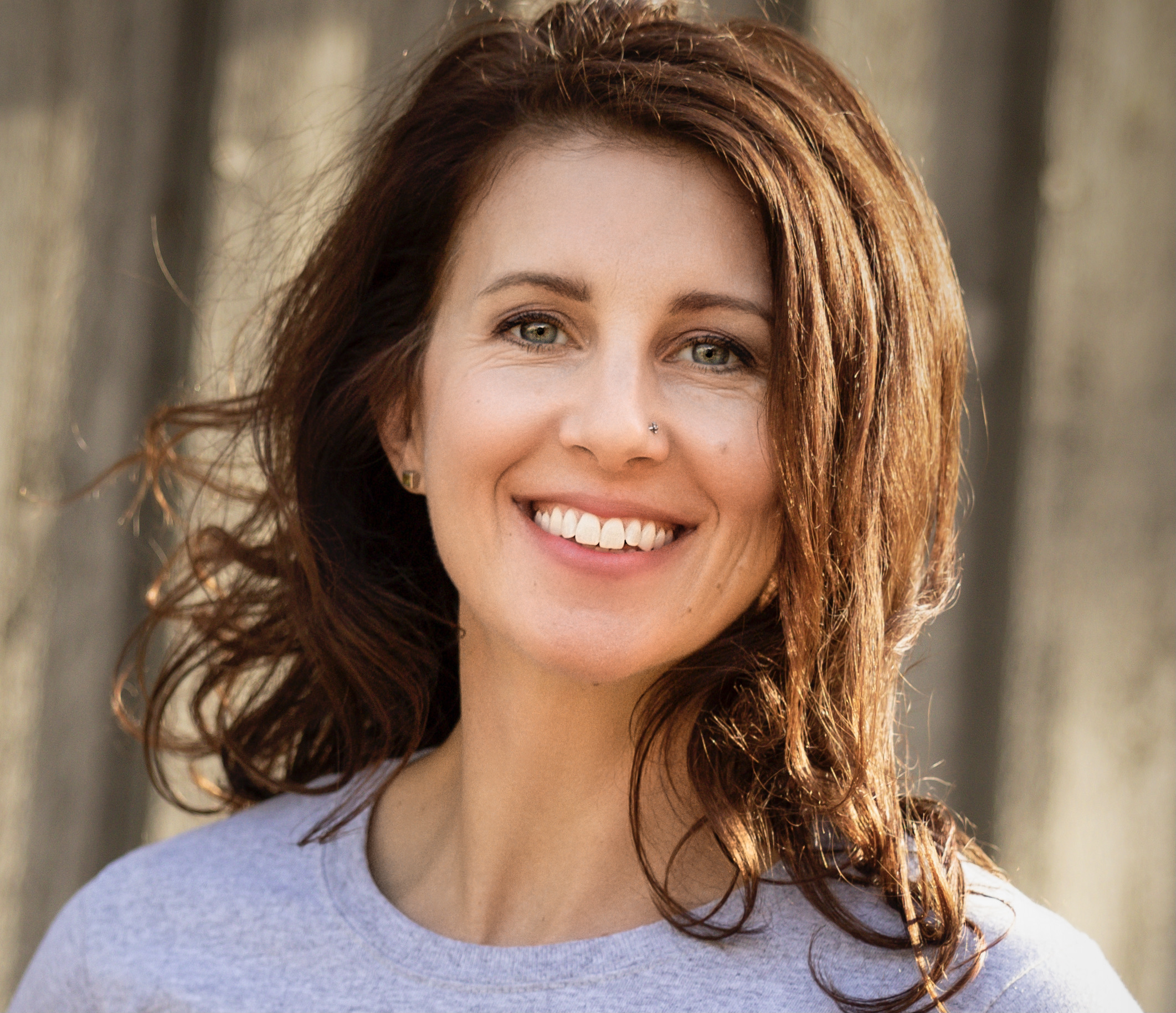
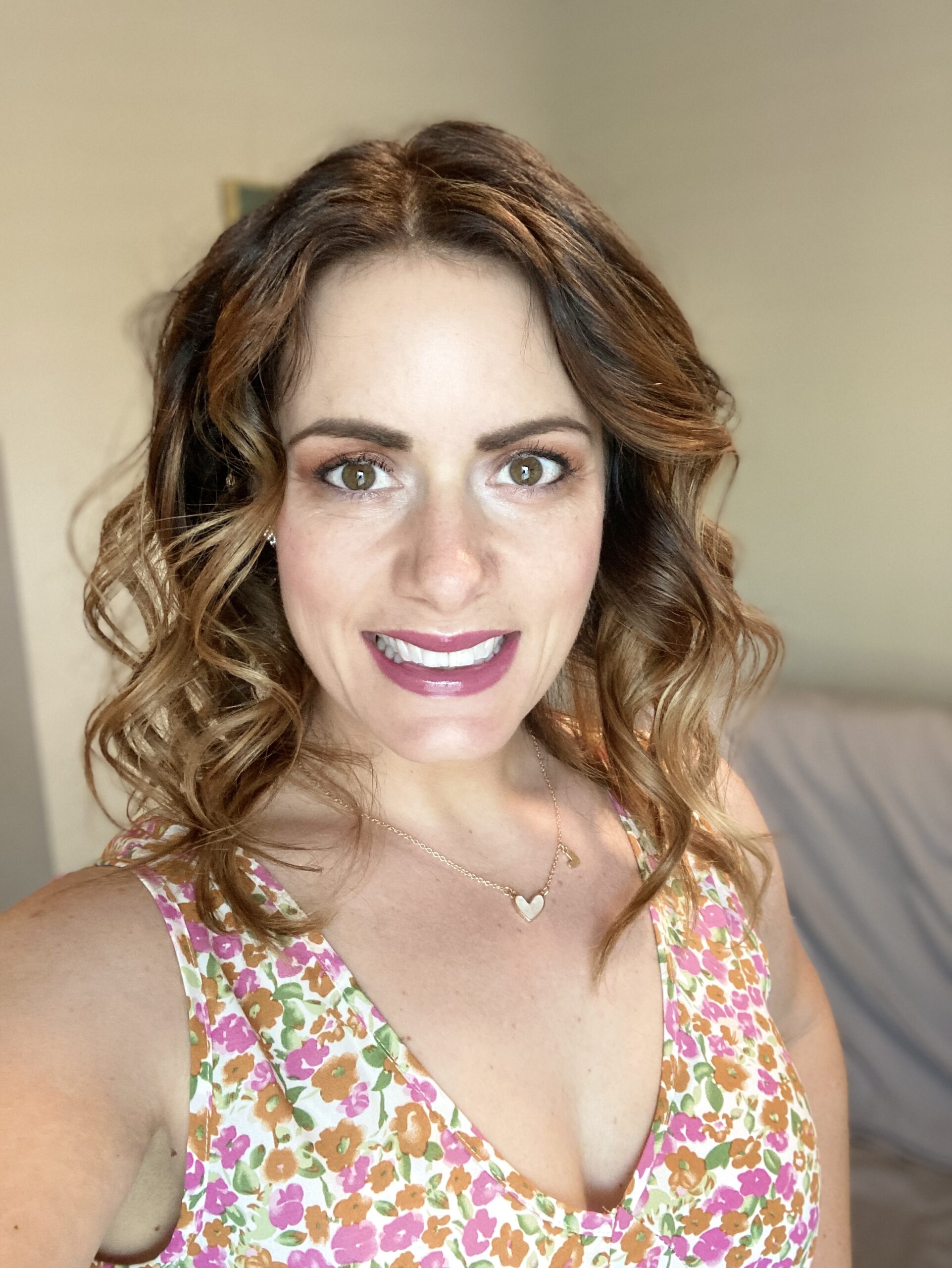
On this episode of the Redefining Strength Podcast, I'm joined by Dr. Amy Shah, a double board certified physician, bestselling author, and one of the leading voices helping women navigate midlife hormones and energy with actual science instead of fear or confusion. Her new book, hormone Havoc is one of the clearest guides I've ever seen for women who want to feel strong again, not smaller, not quieter, stronger. In this episode, we dive into why so many women spend decades trying to shrink their body, their voice, their presence, and what happens when you finally flip the script, how your gut health and circadian rhythms directly shape your mindsets, cravings and energy, and why fixing your hormones often starts with the simplest habits. So let's dive in and chat about how to get stronger not smaller with Dr. Amy Shah. Alright, real quick, if you're enjoying this, hit subscribe and leave a review. They seriously make my day and I read every single one. Plus they help me bring you bigger and better guests. So I've loved seeing how you help women in midlife really navigate the struggles that can pop up to recognize their own strength. I'm really curious, how do you define strength and how has that definition changed even over the years?
Dr. Amy Shah (01:18):
That's such a great question. First of all, thank you for having me. And so all of my life, I was told by society and in my mind I wanted to be smaller. I wanted to be smaller in size, I wanted to have a smaller voice. I didn't want to stand out too much and be rude. It was all about being smaller. And then as I learned the science and as I got older, I realized actually the goal is to be stronger, stronger in your body, stronger mind, stronger voice, stronger convictions, stronger goals. I think being small is not really serving yourself or the world. So I think that's really, it's changed a lot over the years for me.
Cori Lefkowith (02:03):
I think it's amazing how you mention not shrinking yourself, because I do think that's the attitude we've had when it comes to our diet, when it comes to our workouts, when it comes to even our life. And I come from a very small, loud segment of women. So my mom is very outspoken, very loud in volume, love it. So for me, it's always been that pursuit of putting myself out there, but I think that can be really hard, especially when we are told to be quieter. How did you go about making that mental shift?
Dr. Amy Shah (02:37):
Yeah, that's a really great question. I was thinking about that because I was at an event over the weekend and they were asking for volunteers to come up and share their story. And I was thinking to myself, my old self would never in a million years in that kind of setting with all these people I didn't know, didn't want to volunteer, be authentic or vulnerable, but it's totally changed for me. And I think what happened is that I realize that when you start to listen to your inner voice, your inner voice will tell you the right things to say and do and be. But I think most of us don't have access to that voice because we are so busy and we're so stressed and we're eating all these foods and caffeinated and not sleeping enough. And I was that person, I literally couldn't think straight for years because I was so stressed and wasn't feeding that gut-brain connection, which I talk about so much in the book. Part of the reason, and I say this a lot in the book, it's like the book is not about trying to get six pack abs, which is amazing if that's one of your goals. But the book is really about if you start to hone in on that gut brain hormone connection, you actually will see things in your life that should change, that you should start doing, that you should stop doing that you want to do. And that's how you really develop a voice.
Cori Lefkowith (04:09):
It's interesting thinking about our internal workings and how much they have an impact on the actions we take our outside life and the gut is sort of known as the second brain. So when we're talking even about mindset, there's so much connection between the gut and the mindsets we have and the energy we feel, and then how we act. Can you dive a little bit into that?
Dr. Amy Shah (04:30):
I mean, the gut is really the first brain. So when we're in utero, when we're developing, actually the gut and the brain are connected as one, so it's really just one. And then as we kind of grow, they stretch to different parts of the body, but we still have this very tight connection between the gut and the brain. And I think for years, the last 200 years in medicine, we've been concentrating on all these systems that's being separate and that the brain was in charge of mind and mood and all that stuff. And then the gut was in charge of digestion and then the muscle, it was all fragmented. And what we're really learning now is that it's all connected and actually kind of the hub is the gut.
Cori Lefkowith (05:15):
And so when you say it's all connected, how do you get someone breaking down? Because if you think about all the changes you can make, right, okay, I need to change my mindset, I need to change my physical strength, I need to improve my gut health. How can people start to break down, where to start with making changes that improve and have far reaching impact?
Dr. Amy Shah (05:34):
So if you look at any huge transformation, you'll always see that it started with something internal first, they started to go for walks or sleep better, eat better. Once you work on the inside, all the outside starts to change. And so if you're not sure where to start with the inside, so the nutrition, the sleep, the exercise, the sunlight movement, all of the things that kind of change your internal self and that in turn, because the gut is the hub of all that stuff, it will start to change the rest of it.
Cori Lefkowith (06:07):
And what we might have needed at one phase of life can be dramatically different than what we start to need as we enter midlife. As we get older, how do we go about really stepping back to assess how our body and mind has changed to be able to make the changes we need? Because what strength looked like and what our lifestyle looked like in our twenties is different in our thirties, forties, fifties, sixties and beyond.
Dr. Amy Shah (06:29):
Well, that's why I talk so much about perimenopause because I think women, at least half of women don't even know it exists, and 80% of women have some kind of symptoms of it, but they don't even know how it's connected. And so really understanding that as we get older around in the thirties for most women, forties for some you start having a change in your hormones. They're kind of fluctuating and trending downwards. And that can create a host of symptoms. And I think that understanding that, hey, you're going to have to work a little bit harder at building that muscle and bone, you're going to have to work a little bit harder at building up that gut bacteria because some of it's going to be lost by the loss of estrogen and progesterone and really giving women the tools and not just letting them kind of figure it out when they're at rock bottom.
Cori Lefkowith (07:28):
I think a key point that you made was that it can start in our thirties because so often people do or women will say, oh, this is something my mom dealt with when she was older, or I'll deal with when I'm older, but they don't recognize all the changes because they think of perimenopause and menopause in that way of getting older, not hormonal shifts that can start well before we think they do. And so how do you shift that perspective to get them to realize some of the changes they might be going through and even recognize like, Hey, this is okay that it's getting harder, but I have to own, it's getting harder to meet my body where it's at now?
Dr. Amy Shah (08:03):
Yeah, it's like everyone knows about perimenopause. It's almost like we've known it for years, but we didn't have a name for it and we didn't have, we just called it like, oh, I don't recover as well as I did when I was 20, or I can't eat the way everyone kind of knew it was there. But doctors in medical school, we don't get taught about perimenopause. In fact, just the other day I was with a group of doctors and they said to a male doctor, said to his wife, oh, you don't have to worry about that, honey, you're so young. And she was in her forties because he thinks that menopause is this thing that happens to old women when they're in their fifties because that's what we were taught in med school. We didn't really learn much about it, and we definitely didn't know that all of this starts so early. So it really starts with educating people and the physicians out there, which is so sad because those are the people that are supposed to be helping you through this.
Cori Lefkowith (09:01):
But we do, we write ourselves off or just accept things are part of, oh, well, I'm getting older. And the more we can say, no, I deserve to feel my most fabulous, which goes back to your definition of strength of not shrinking ourselves, but the more we can say, no, I deserve to feel my most fabulous. Why have things gotten harder and what can I do? Which is actually why I love some of the frameworks and the protocols that you have in your book, especially the 30 33. I think that's a really interesting one that gives such a clear and simple focus so that people can really see amazing improvements very quickly. Can you go into that a little bit?
Dr. Amy Shah (09:37):
We as women, actually, we as society have not been given any kind of framework around nutrition. Our nutrition books focus on biochemistry and individual ingredients and vitamins and minerals, but there is no accepted framework. And if you look at Women's Health's books, especially the Menopause Society Clinician guidelines, there's no chapter on nutrition. So what we're left with is the doctor either has to kind of decide what they believe in what diet or people are just left with this generic advice of eat healthier and what does that even mean? And so for me, I was like, what is it that actually makes sense based on the science? And it could apply to anyone whether they're carnivore, vegan, gluten-free, whatever it is that you are following, you could fit that into this framework. And that was the reason I created it. And honestly, when I start to introduce this to my audience and my patients, I would see people really overhauling not only their gut health, but their entire health and their life.
Cori Lefkowith (10:51):
And it's really doing three simple things.
Dr. Amy Shah (10:56):
And I always say to people, it's like exercise. You don't have to lift the hundred pound weight on your first day. So on that 30, 33 framework, a lot of people aren't doing any of those three. So start with the first one, which is 30 grams of protein in your first meal, and get that kind of get used to doing that 30 grams of protein when I eat my first meal. Okay, got it. And then move on to the 30 grams of fiber throughout the day. And then the third one is three probiotic foods. I think for people, a lot of people that's very foreign and they're like, what's a, so it's step-by-step, but it gives you goals that are backed by science.
Cori Lefkowith (11:37):
And if you have that framework to work within, you can say, okay, where am I am at now? And what's one improvement I can make towards that goal of 30 grams of my first meal? If someone's at 15 grams of protein, maybe you just swap a little portion. But it's that framework and that ability to adjust habits to what you need too. As you mentioned, whether you're vegan, carnivore, whatever, you can use this
Dr. Amy Shah (12:00):
Framework, and most of us women especially have been giving diets all our lives. And so what I wanted to stay away from is a prescriptive weight loss diet that is opposite of what we should be doing. And so this is a framework that helps you get stronger, you'll have more clarity, you'll have better muscles, you'll feel leaner, but it's not about giving people another diet because we know, I mean, we've been through this for many, many years, diets come and go, and often they leave us depleted more than they actually help us.
Cori Lefkowith (12:40):
If we don't truly adjust our nutrition and we just go on a diet, we're going to keep repeating the same cycle making changes only to have them not feel sustainable. But with these three changes specifically, I'm curious, can you tell us why protein fiber and focusing on those prebiotic foods?
Dr. Amy Shah (13:01):
Why, sorry, I said, did you say the why?
Cori Lefkowith (13:07):
Yeah, why those three things specifically? Okay.
Dr. Amy Shah (13:08):
Okay. Yes. Okay. So 30 grams of protein in your first meal, the reason why I picked that is that there's such good research that shows that when you front load your protein, not only are you going to make better decisions in the day for food, you're also going to have less cravings. You're going to feed your gut and you're going to have the best chance at building that muscle that we need. And then of course, you have to individualize your total protein goals. So some people, they'll have three meals a day with 30 grams, some people will have four meals a day with the 30 grams, just that total grams has to be personalized to you. But we can all start with a breakfast of 30 grams because if you think about it, that's like an egg scramble and maybe or a cottage cheese veg with fruit that is like a protein shake.
(14:02):
That is all of the things that we kind of can do even in our busy lives. And then the 30 grams of fiber. The reason I picked that is that there is so much science behind fiber and that number in particular, most Americans are getting 12 grams. And we actually know that if you add five grams to an American diet, every five grams you add lowers the mortality rate in that person by 10%. So population wise, one of the best things we can do to make a healthy population is increase their fiber intake. And the goals are 25 to 30 grams. So I like to stay on the higher side because I think that's even conservative. And so that is backed by now thousands of studies. And then there is the three probiotic foods. So fermented and probiotic foods can be a little bit foreign to some people.
(15:02):
Other people are like, oh yeah, I eat my serrat, I eat my kimchi. I eat my raw apple cider vinegar at my yogurt. I have my probiotic cottage cheese. I'm like, no problem. And other people are like, what are you talking about? So I think that's the place where you really need to, maybe you start with a nice yogurt every day and add servings, do that one day, and then the next day you add a little apple cider vinegar into your dressing. It has to be the raw type to have the real bacteria in it, because every single culture in the entire world thrive and sought out fermented foods. So even hunter gatherer times, they would pick up rotting food that was fermenting. And our bodies crave that because we have an Amazon jungle in our gut, and our bodies want more bacteria, they want to have good bacteria. Our body's really good at figuring out that that kind of bacteria is actually beneficial, whereas a bacteria that's like toxic, they know to kind of usually get rid of that one. So adding fermented foods is one of the best things you can do to actually change your gut health. And the recommendations from the research is really three to five servings of fermented foods every single day. And so starting with three is a great way to overhaul that gut health.
Cori Lefkowith (16:31):
And you can even make this into a little challenge for yourself where you said it first, okay, this first week I'm going to focus on the protein of the first meal, and then the next week I'm going to bump my fiber. And then if you are a little more hesitant to include some of the fermented foods the next week after that, you can find different ways to test them out and maybe even have some fun trying new recipes. I mean, I'm personally a fan of 'em, so I am all for that. But there are some ways that you can hide different things, but it all comes back to meeting yourself where you are right
Dr. Amy Shah (16:57):
Now. Absolutely. And that's why it's a framework, because it's not supposed to be a diet. It's not supposed to be prescriptive. It's supposed to be something that you can use as goals. It's kind of like trying to giving yourself a goal of trying to get a pull up or five, whatever it is in the gym and working to do. The thing is to get you there. The foundational things, maybe it's like for me to be able to do the 30 33, I've just got to cook at home more, which is for me, that was true. And so I started to do the foundational things that it would take to get me to get to that goal.
Cori Lefkowith (17:34):
And it's recognizing how important our nutrition really is and putting that emphasis on that. Because I think sometimes when we see hormonal shifts, and I've even seen comments of this on social media where people will say, well, my hormones are just out of whack. No diet going to help, which obviously they're relying on diet, but they're not thinking about the power their nutrition has to impact their hormone levels. How do you start to break some of those beliefs or misconceptions about hormonal balance and how important are nutrition? And even our workouts really are,
Dr. Amy Shah (18:08):
Oh yeah, nutrition and lifestyle, exercise, sleep, sunlight. I mean, those are the foundational cores of not only gut health, but hormone health and immune health and brain health. And so I think that the way I think about it is that your gut is the gateway to better hormones. And so what I tell people is your gut is constantly talking to your hormones and your brain about what needs to be increased, what needs to be taken out, what needs to be adjusted. And so it's kind of like the master organizer of our entire body. And so when you are feeding it the right foods and moving your body and getting sunlight and sleep, you're making that gut brain hormone connection stronger and so that they can communicate free. And most people will notice probably the opposite more than the positive. So if you go on a three to five day trip and you're just eating so crappy, you're drinking a ton of alcohol, you're not sleeping well, you're not exercising, you definitely feel it in your hormones. You feel it in your brain, you feel it inflamed, and it happens pretty fast. And so I think it's very evident when you think of it that way. And I tell people, well, you can also do it the other way. It takes only three to five days to actually start going on the right path of feeding your gut and hormones and immune system and brain the right foods and the right inputs and the right sun and sleep and workouts. So that's why I think how I think of it in my head,
Cori Lefkowith (19:53):
I've definitely been guilty of the vacation throwing me a little out of whack. And then you feel like you have a long time to recover. And it's finding that balance, of course with everything. But the more we can do when we're in that groove and even recognizing the impact that times where life might get in the way a little bit that those have the better off we can be. And you hit on a few key things that I want to dive into a little bit more too. You mentioned sleep, you mentioned meal timing with the protein being the first 30 grams with that first meal of the day, and you mentioned sunlight. So I think all of these things are really important as I know you dive into the circadian rhythms and how they have impact. Can we talk about that a little bit more too? Because I think those are factors that can feel a little hard at times to manage and navigate or confusing, but they really do have a huge impact. And we don't want to just focus on only our nutrition or only our workouts,
Dr. Amy Shah (20:49):
The rate that technology has changed over the last even 20 years. I remember a time where it wasn't like what we're doing now that technology and advancements have really disregarded circadian rhythms. And so what I saw during the pandemic, for example, is that people were not busy, but they were tired because they really weren't spending time outdoors, they weren't spending time with other people, they weren't eating fresh foods. There was a lot of this that happened. And I kept thinking to myself like, we're circadian creatures just the way plants are. And that just the way, I mean, we are part of that animal kingdom, and 80% of our body's processes need input from circadian rhythm. So we need sun and dark to retune, fine tune all the things that happen, including hormones, including gut health, including brain health. And so you see why people who stay up really late or eat really late at night on a regular basis, and we have the data from shift workers that they just have rates of disease and mental health issues at rates multiple times higher than the population that sleeps and wakes and sees sunlight during the day.
(22:13):
So from our data on the night shift workers we're able to see that no matter what, even if you are a night owl, even if you work night shifts all your life, your body still works on a day night rhythm. You can't switch to being a nocturnal creature just because you want to stay up late. So all of these things that we've gotten, ai, Uber Eats, internet TikTok, all of these things really mess up our natural circadian rhythms and how we were programmed to be so back even, I'll say 20 years, but really if you look 10 years and backwards, it was like six o'clock came around and you kind of started winding down your dinner or even seven. And then there's not a ton of food, not huge meals, hot meals available at midnight or 1:00 AM or later. Whereas now with Uber Eats, with microwave meals, all this stuff, we have all these options.
(23:22):
And then back in the day before we had cell phones and internet, we just had to communicate in different ways. We spent more time outdoors. When I go to, I don't know if you travel, but when I go to other countries, I see communities in the evenings. They usually are working out or they're walking or they're spending time in circles like spending time with each other and they're outdoors and they're connecting, and they're not really on their phones, they're not doing work, they're not on their laptop. And I think that naturally they're syncing with circadian rhythms from thousands of years ago. But with all of these advances, we've kind of cut that all out no longer at 6:00 PM do people go outside, play soccer or walk and get together? It's like everyone is on their phones or watching TV on their computers. They're eating late meals, they're often not getting sunlight all day long.
(24:21):
And so I think that now that we've gotten so far away from that, we have to start adding it back. It's like we have to walk on a walking pad because we don't naturally need to walk anymore to go anywhere. And so I think that is where circadian rhythms really, really play in. So our gut, for example, our gut bacteria that live in this dark colon, they actually crave sunlight also. Daylight doesn't have to be sunny, it can be cloudy. They crave it, and when you give it to them, they actually get really happy. They physically dance and they produce these things called short chain fatty acids, which go all over our body and calm inflammation. And so what we're realizing is that circadian rhythms are not just like, oh, nice to have, which I thought when I was super busy and in my old self, I would be going for a sunny walk or a hike or being outdoors is for people who have lots of extra time and I don't have time for that. I need to be productive.
Cori Lefkowith (25:25):
So what would you recommend if someone's like, oh gosh, that's me. I go on TikTok too much. I don't get outside. What are some little hacks or swaps or ways that people can start to improve their circadian rhythms? Tongue twister.
Dr. Amy Shah (25:41):
Yes. One quick, easy way is just in the morning within say an hour of waking up, especially if you wake up when it's already light out, go outside. Even if it's for a couple of minutes while you're brushing your teeth in your backyard, maybe it's you park a little bit farther away from your office and you have two to five minutes of natural light. Maybe it's as simple as rolling down your window when you are driving to work so you can see that natural light. It can be very easy, and I say that morning one because that's the best way to fine tune that brain hormone gut connection. But it's also been seen to be really beneficial anytime of the day, evening, afternoon. But that morning one is magical.
Cori Lefkowith (26:30):
I think all of the little adjustments you suggested are really the key to moving forward. And I'm big on 1% improvements on those daily habits because so often that's what leads to us wanting to do more. That's why I love that you have your seven day reset protocol. Can you talk a little bit about that as well?
Dr. Amy Shah (26:50):
Yeah. So here's the thing. Over the years I've realized that all of this conceptual knowledge is so awesome, and we've talked about concrete tips and stuff, but I think most people that I talk to when I introduce this are like, okay, just tell me what to do for seven days. Just tell. And so for that purpose, you do not have to do this plan. You can make your own. You can pick any recipe you want for 30, 33, you can do. But what I did is like, okay, if I had to create a structure for you so that you can have something on paper and then you can edit to make it your own, that's what that is. So for example, I want you to get sunlight and sleep, and I want you to get movement and hopefully up to one hour a day of nature time when the weather permits, so that means maybe it's 10 minutes in the morning, 20 minutes in the afternoon, and then 30 minute walk later. That would be the ideal scenario. And so I kind of created, Hey, here's something that could work with all of those things, put into one place and then make it your own.
Cori Lefkowith (28:05):
And seven days feels very doable. And I think too often we do think it has to be a 30 96 month plan. And
Dr. Amy Shah (28:14):
We thought about that a lot. It was like, do people, so I thought to myself, okay, anyone who I've worked with, what do we do? We say, okay, let's just do this for a week. Try it for a week, see how you feel, Wednesday to Wednesday, Monday to Monday, whatever. And I said, that's what I do in real life with patients. And so that's what I would do in here, like baby steps.
Cori Lefkowith (28:40):
And those daily habits then become ingrained. And at the end of the week you can be like, okay, this really worked for me, this didn't. And that reassessment can help us then move forward, constantly tweaking to feel our best and even see the impact in that short amount of time.
Dr. Amy Shah (28:54):
Yeah, I mean, our gut starts to change within three days. So seven days is plenty of time to see some kind of change.
Cori Lefkowith (29:01):
That's fabulous. And so I could pick your brain forever about this stuff, but I wanted to dive into some of the not so rapid fire questions because I usually go on tangents with these some pretty good answers. So first one for you is, my date isn't complete
Dr. Amy Shah (29:15):
Without natural light. I want to say sun, but sometimes it's not sun. It can be cloudy. You have to get natural light. We creatures that need inputs.
Cori Lefkowith (29:28):
I also like that you did mention that it felt like a luxury. It's something that people who weren't busy did, but you start to recognize when you do those things, how much time you find in your day to do other things because you feel better, right?
Dr. Amy Shah (29:40):
A hundred percent. If I don't start my day now with a few minutes of sun, I feel like I'm dragging because it really gives you that energy, like a cough cup of coffee would.
Cori Lefkowith (29:51):
And then what's the biggest myth you wish women would stop believing about hormones in midlife?
Dr. Amy Shah (29:59):
That we have to take all these things to balance our hormones. I think that word just doesn't make sense. It's not a scale, like a balance scale where you have to add pebbles to each side. It's really, it's so much more intricate. It's like a highway and you just want things to be running smoothly on that highway. It's really, and it doesn't take a thousand supplements to do that.
Cori Lefkowith (30:26):
We might feel like there's only traffic jams, but we can clear up those traffic jams and control what we can control with doing so many different changes in our lifestyle, really. And I love that you give back that control.
Dr. Amy Shah (30:35):
Yes, yes. And that's the thing, I think making hormone balance feel like it's something like a chemistry experiment or that you have to get some kind of crazy blood work, or it just stops women from actually taking charge of their health and doing the foundational things that are going to change it.
Cori Lefkowith (30:56):
And we overcomplicate it, which might be a hard lesson to learn that we do. But that's where I want to go next is what's the hardest lesson you've personally learned?
Dr. Amy Shah (31:06):
Is that old me that I described was me for the first 35 years of my life until I got into this huge car accident, which really shook me and made me change into this version of me that I'm talking about. And I wish I had done this sooner in my teens or twenties.
Cori Lefkowith (31:27):
So often strength is born out of struggle, and we don't recognize that. We think it's the opposite of it, but even your story is evidence of that.
Dr. Amy Shah (31:36):
Yeah, exactly. I think I hope that nobody gets into a life-threatening car accident for them to feel like they're having their awakening. I hope it's like they read this book or they listen to this podcast or talk to their friends and make that change now.
Cori Lefkowith (31:52):
Yes. Well, something less dramatic in terms of struggle would always be good. And then in terms of when you need a reset, what's your go-to ritual?
Dr. Amy Shah (32:03):
When I come back from crazy travel or for work and I just need a reset, I usually kind of clear out my morning when I can just to have one or two hours to get that circadian rhythms, get that movement in, maybe make a really healthy breakfast with the 30 grams of protein, some fiber. I feel like getting that morning back in check and not just jumping into a really busy day, that's the best way to get yourself back.
Cori Lefkowith (32:33):
All of your frameworks and tips really do show you how much can be accomplished by small changes. You're not saying, oh, take multiple days off when you get back, you're saying, clear my morning. Just use that time. And that's really where I think we can take back so much control. Exactly. It's
Dr. Amy Shah (32:50):
The little changes that make the biggest difference.
Cori Lefkowith (32:53):
And then one last question for you. What advice would you go back and give your younger self?
Dr. Amy Shah (33:01):
That thing about don't get smaller. It's not about shrinking and not shrinking in size, shrinking in the back of the room. I would tell her be your strongest self step into it. And it's something that I tell my daughter who's a teenager all the time, who I see her struggling with the same things that I used to struggle. What will people say I'm supposed to be nice? And I see that reflection in her, and I'm like, this is my chance to tell my younger self what I wish I had had someone tell me,
Cori Lefkowith (33:41):
You are an inspiration Dr. Shah, and I love how you're helping women feel their most fabulous. And recognize that midlife doesn't have to mean shrinking themselves or not feeling like their strongest self. So where can people find you if they want to find more information and more inspiration and check out your book?
Dr. Amy Shah (33:59):
Awesome. Okay, so the book is called Hormone Havoc. Oh shoot, there we go. Hormone havoc. It is available everywhere books are sold. I am at Dr. Amy Shah on Instagram and TikTok. I'm at amy md wellness.com on website, and that's kind of where all the places you can find me.
Cori Lefkowith (34:25):
And then just to leave everybody with one perspective shift, if there's one lesson they could take away, what would you want it to be from this podcast?
Dr. Amy Shah (34:37):
Get stronger, not smaller.
Cori Lefkowith (34:41):
That is it. Mic drop moment. Boom. Love it.
*Note: This transcript is autogenerated there may be some unintended errors.

0 Comments