We’ve helped over 10,000 women improve their metabolic health to lose fat, gain muscle, and become their most confident with our STRONG System built for real women with busy lives.
Andrea brings over a decade of coaching experience and a deeply personal passion for health and fitness. She’s helped clients do everything from lose weight and clean up their nutrition to run marathons and, yes, even touch their toes. But for her, the most meaningful wins are the ones where someone finally feels confident in their own skin.
With a background in college softball, roller derby, figure competitions, and marathon running...including qualifying for the Boston Marathon... Andrea knows what it means to chase big goals. As a long-time vegetarian and holistic nutritionist, she’s also well-versed in how food choices fuel both performance and long-term health. She loves helping clients find doable, sustainable habits, especially when it comes to simplifying nutrition or fitting training into a busy, family-filled schedule.
Andrea’s coaching style is rooted in support, structure, and contagious positivity. She’s the coach who’ll cheer you on every step of the way...and also help you map out your schedule to make sure it actually happens. Whether you’re chasing a pull-up or learning to eat without guilt, she believes the best changes happen when you take it one win at a time.
Credentials: Certified Personal Trainer (CPT) Holistic Nutritionist Pilates Mat & Reformer Instructor
Dialog window
Allison
From a young age, Allison knew she was meant to teach and support others — a passion that led to 15 years in education before bringing her talent for coaching into the fitness space. Her mission? To help clients cut through the noise, build trust in their own bodies, and find confidence through sustainable change.
Having personally navigated struggles with body image, emotional eating, and binge cycles, Allison brings deep empathy and lived experience to her coaching. She loves helping women shift away from constant dieting, guiding them to lift heavier, eat more, and finally see the results they’ve been working for. With a background in behavior change and a strong foundation in pre/postnatal and menopause coaching, she supports clients through life’s transitions with strategy, structure, and encouragement.
Allison is known for her warm but honest approach — part cheerleader, part researcher. She’ll celebrate every win with you, but she’s not afraid to help align your actions with your goals when you need a little tough love. She believes that the best coaching isn’t just about results now...it’s about giving clients the tools and mindset to keep progressing for life.
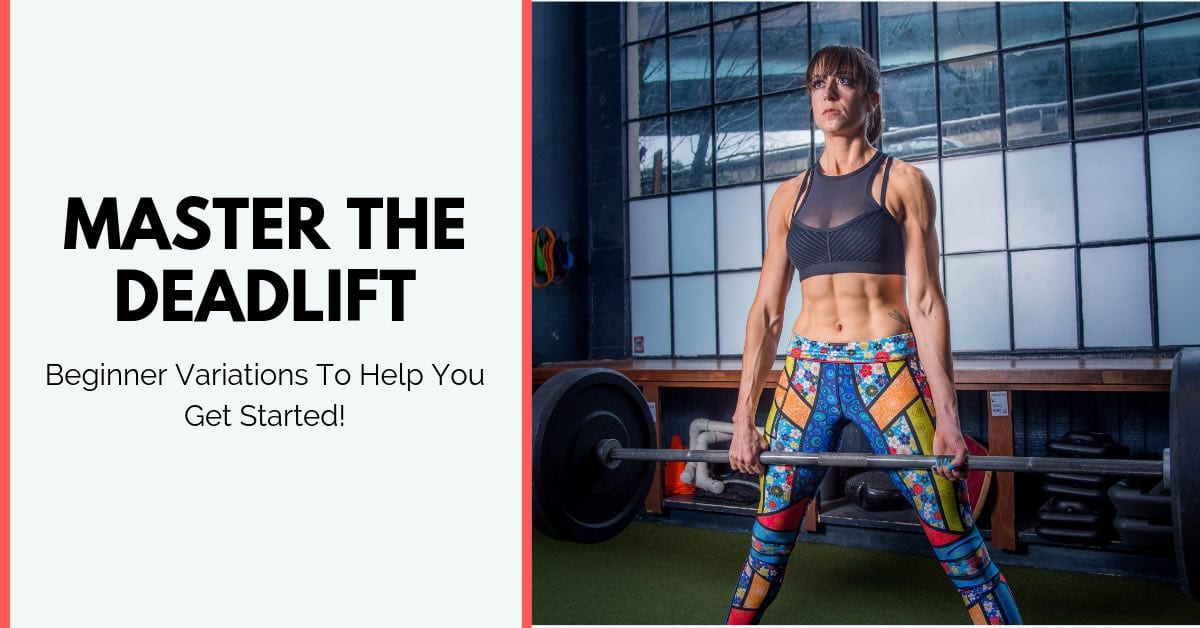
The Deadlift is a technical movement and one that can be…well…scary!
But there are ways to break down the exercise and perfect that hip hinge movement even if you, or your client, is just starting out!
So what does the Deadlift work?
The Deadlift will work your entire backside – your upper back, lats, hamstrings and glutes. It will also work your abs.
But too often people ONLY feel their lower back working, which can lead to overload and injury. It’s why sometimes the Deadlift can be considered a “dangerous” move.
And that’s why it is key we first really learn how to perform the Deadlift hip hinge movement pattern correctly.
The hip hinge is a movement where you hinge or bend at the hips to push your butt back toward the wall behind you.
The key is really pushing your butt back so you can balance and load your glutes.
Your knees will be soft, but unlike a squat, you will not try to sink or lower your butt toward the ground. Bending your knees should NOT be your focus. The exact amount of knee bend you include will even vary based on the Deadlift variation you use.
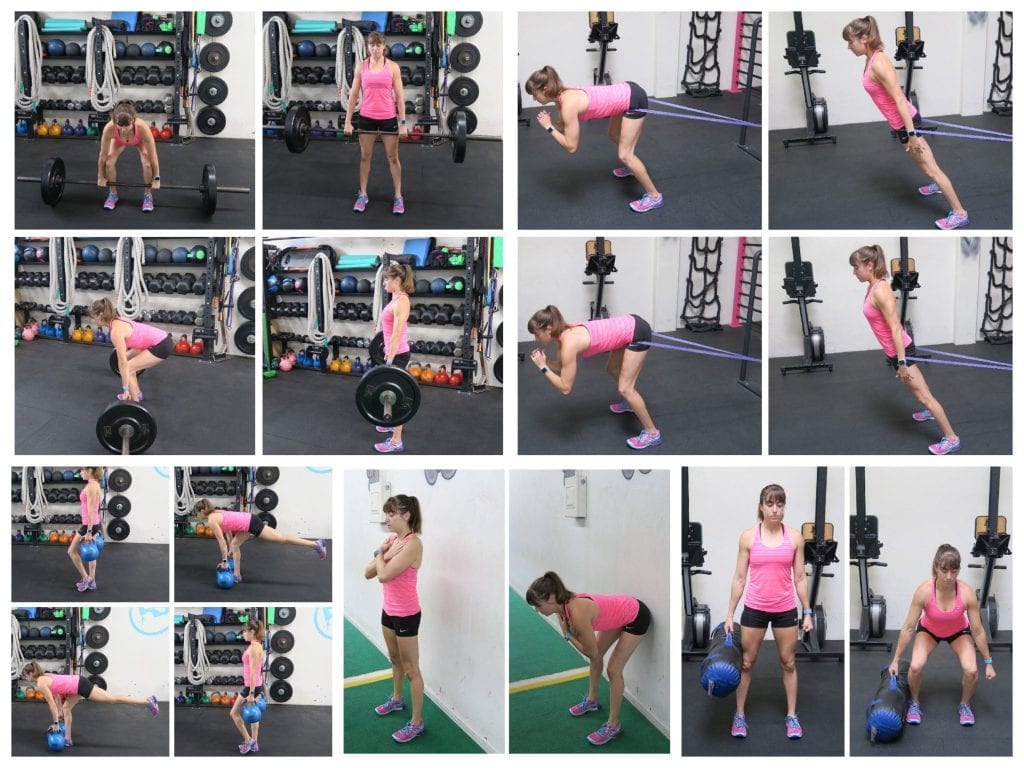
While most often we see this exercise done with a barbell, that variation is more advanced than we give it credit for.
So if you, or your client, is just starting out and trying to learn how to properly hinge at the hips to load the glutes, you may not want to jump right into using the barbell.
Instead using a tool like a kettlebell (dumbbells work too) or band can be a good place to start.
The kettlebell or dumbbells make it easier to focus on loading your glutes while still working your upper back, lats, abs and hamstrings without your weight shifting forward.
While the band allows you to break down the movement a bit and really focus on working your glutes using the hip hinge movement. This move is actually a great accessory exercise as well to include even as you advance (aka I use this even with many of my advanced lifters to strengthen their glutes!).
And if you’ve wanted to use the Single Leg Deadlift (either yourself or with your clients) to improve your balance and prevent injuries, but your balance is…well…not so good, the slider and 80/20 variations are great option.
Both of these give you a balance “assist” while still forcing each side to work independently.
But even though these may take out some of the balance challenge, they aren’t easy moves by any means and even advanced exercisers should include them as accessory exercises because they do allow you to potentially use heavier loads than the full unilateral or single leg variation.
So if you are just starting out, or training a client new to exercise, and want to use that amazing Deadlift movement, try these variations to start!
Make sure to watch the full video for more tips and coaching cues!
I'm Cori Welcome To The Redefining Strength Podcast[dsm_content_toggle heading_one="HIDE TRANSCRIPT" heading_two="SHOW TRANSCRIPT" custom_content_two="Dr. Aviva Romm (00:00):As I get older, one of the things that I think is the hallmark of aging, if you will, well, is...
I'm Cori Welcome To The Redefining Strength Podcast[dsm_content_toggle heading_one="HIDE TRANSCRIPT" heading_two="SHOW TRANSCRIPT" custom_content_two="Cori Lefkowith (00:00):In this episode of the Redefining Strength podcast, I'm joined by Dr. Jolene Brighton, and I'm...
Thanks ! This is very helpful. I just did deadlift for first time with my trainer this past Tuesday. This will help me with it at home, where I will emphasize the kettle bell approach you give as an alternative. I am a 62 year-old male with no meaningful gym history and , therefore, I am cautious about the injury factor. I am also guarded in that respect as I do not want a repeat of the herniated disc of 18 years ago. That was actually the result of a poorly treated injury from 15 years prior, piled on with alot of continuous neglect on my part. Twin grandsons introduced into my life three years ago have changed my attitude !Your content here and on YouTube is of great quality, and I am glad the algorithm bumped me your way. I will continue to visit. Keep it up !
Hi Steve! Sorry I missed this earlier! So glad you’re starting to use deadlifts and progressing slowly. Even using these variations to make sure you’re loading correctly as you work with your trainer will be key! You definitely also want to make sure to be doing the glute activation and core work to help protect that lower back in general and prevent compensations! Always here to help if you need anything!
Loredana Rotariu
on November 30, 2019 at 7:41 pm
Is indeed absolutely great info you shared with us ! Appreciate it. I had romanian deadlifts for quite some time in my routine and after reading your article I added sumo deadlifts as well. Thing is that I dont feel my glutes working when sumo deadlifting even though I religiously go though glutes activation and the posture is apparently as supposed to, I work with 40kgs (including the bar’s weight) so I should surely feel a muscle working if correctly targeted … I cant figure out where I might be doing wrong. I will continue watching and improving the posture. Thank you a lot for all the great info you share!
Donald
on October 22, 2020 at 2:30 pm
Do you have a recommendation on the resistance band you were using?
Thanks ! This is very helpful. I just did deadlift for first time with my trainer this past Tuesday. This will help me with it at home, where I will emphasize the kettle bell approach you give as an alternative. I am a 62 year-old male with no meaningful gym history and , therefore, I am cautious about the injury factor. I am also guarded in that respect as I do not want a repeat of the herniated disc of 18 years ago. That was actually the result of a poorly treated injury from 15 years prior, piled on with alot of continuous neglect on my part. Twin grandsons introduced into my life three years ago have changed my attitude !Your content here and on YouTube is of great quality, and I am glad the algorithm bumped me your way. I will continue to visit. Keep it up !
Hi Steve! Sorry I missed this earlier! So glad you’re starting to use deadlifts and progressing slowly. Even using these variations to make sure you’re loading correctly as you work with your trainer will be key! You definitely also want to make sure to be doing the glute activation and core work to help protect that lower back in general and prevent compensations! Always here to help if you need anything!
Is indeed absolutely great info you shared with us ! Appreciate it. I had romanian deadlifts for quite some time in my routine and after reading your article I added sumo deadlifts as well. Thing is that I dont feel my glutes working when sumo deadlifting even though I religiously go though glutes activation and the posture is apparently as supposed to, I work with 40kgs (including the bar’s weight) so I should surely feel a muscle working if correctly targeted … I cant figure out where I might be doing wrong. I will continue watching and improving the posture. Thank you a lot for all the great info you share!
Do you have a recommendation on the resistance band you were using?
Hope this helps! It’s all of the tools I use – https://amazon.com/shop/redefiningstrength